
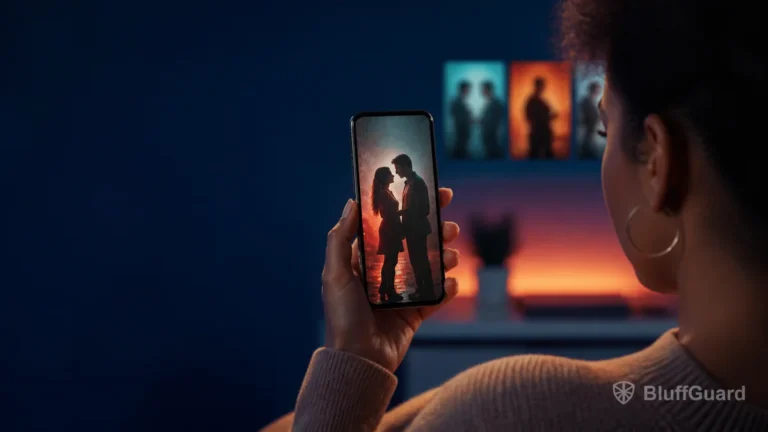
Short dramas are scripted series designed for quick viewing on a phone. Instead of episodes lasting 30 or 60 minutes, a short drama may tell its story through dozens of vertical episodes that run for only one to three minutes each. The format is built around fast scenes, clear conflicts and frequent cliffhangers.
They are sometimes called vertical dramas, microdramas, mini dramas or drama reels. The names vary between apps, but the basic idea is similar: deliver a continuing fictional story in small pieces that are easy to watch during a break, commute or spare moment.
The format has grown far beyond a niche experiment. Major short drama apps now reach audiences across North America, Latin America, Europe, Africa and Asia, with romance, revenge, fantasy, family conflict and mystery among the most visible genres.
How a short drama is structured
A short drama is not simply a traditional television episode cut into random pieces. Many productions are written specifically for vertical mobile viewing.
The opening episode usually introduces the central conflict immediately. A character may discover a betrayal, meet an unexpected partner, lose a position or reveal a hidden identity. There is little time for a slow introduction because the viewer needs to understand the emotional stakes within seconds.
Later episodes tend to follow a repeating rhythm:
- Resolve part of the previous cliffhanger.
- Introduce a new complication or reveal.
- Raise the emotional stakes.
- End before the next answer arrives.
One complete story may contain many short episodes. The total running time can therefore be closer to a film or conventional series than the length of an individual episode suggests.
Why are the videos vertical?
Short dramas are commonly filmed in a 9:16 aspect ratio because that shape fills a phone held upright. Viewers do not need to rotate the device, and faces, reactions and dialogue remain prominent on a smaller screen.
Vertical framing also affects production choices. Scenes often use close-ups, a limited number of characters in one frame and direct visual cues. Small details that might work on a television can be difficult to notice on a phone, so the storytelling tends to make relationships and conflicts easy to follow.
Some services support tablets, websites or casting, but features vary. A viewer who wants television playback, offline downloads or a specific subtitle language should verify those features before paying.
Why did short dramas become popular?
Several factors help explain the format’s growth.
They fit short periods of free time
A one-minute episode is easy to start. The viewer does not need to commit to a full hour, and a few episodes can fit into a queue, lunch break or bus journey.
The story moves quickly
Short dramas remove much of the slower pacing found in longer programmes. Important relationships, conflicts and reversals appear early. That speed can appeal to viewers who want a direct emotional payoff.
Cliffhangers encourage another episode
An episode often ends at the moment a secret is about to be revealed or a character must make a decision. This creates a strong reason to continue. Autoplay and one-tap episode unlocks can make that continuation almost effortless, which is also why viewers should pay attention to time and spending controls.
Apps can personalise discovery
Short drama platforms may recommend series based on watch history, selected genres or completed episodes. Daily releases and notifications can keep the catalogue feeling active. The exact data used for recommendations depends on the app and its privacy practices.
The themes are easy to recognise
Many titles use familiar story patterns: a secret heir, a second chance, an underestimated character, a contract relationship, a family feud or a dramatic comeback. Viewers can understand the premise quickly even when they have never seen the actors before.
Common short drama genres
Romance is highly visible, but it is not the only option. Current catalogues commonly include:
- billionaire or CEO romance;
- revenge and comeback stories;
- hidden identity and status reversal;
- family conflict and inheritance disputes;
- werewolf, supernatural and fantasy romance;
- mystery, crime and urban suspense;
- historical and period drama;
- comedy and relationship misunderstandings.
Genre labels are not consistent across every service. An app may place the same series under romance, fantasy and revenge at the same time.
How are short drama apps funded?
The viewing model varies. Some apps use advertising, some sell virtual coins for unlocking episodes, and some offer a recurring subscription or VIP plan. Many combine more than one method.
The first episodes of a series may be available without payment before later episodes become locked. Another app may allow viewers to watch ads or complete daily activities in exchange for access. A subscription may reduce ads or unlock content, but viewers should confirm exactly what is included rather than assuming every title becomes available.
Pricing, free allowances and renewal periods can differ by country, device and promotion. The current store listing and checkout screen are more reliable than an old review or screenshot.
Are short dramas the same as social media reels?
Not exactly. Both use brief vertical video, but a short drama is normally a scripted serial with recurring characters and a planned ending. A social media reel may be a standalone clip, commentary, advertisement or user-generated video.
Short drama apps also have their own episode libraries, accounts and payment systems. That makes them closer to a specialised streaming service, even though the viewing experience can resemble scrolling through a social feed.
What should a new viewer check?
Before installing or subscribing, check:
- whether the app is published by the expected developer in an official store;
- how later episodes are unlocked;
- whether a subscription renews automatically;
- what subtitle and dubbing languages are available;
- whether downloads or television casting are supported;
- which data types and permissions the app declares;
- how to cancel the plan or delete the account.
Short dramas make serial storytelling easier to fit into a mobile routine. The same convenience can also make it easy to lose track of episode unlocks, ad time or recurring charges. Understanding the app’s access model before starting a series leads to a more predictable experience.
Related guides
- How Short Drama Apps Work: Episodes, Coins, Ads and Subscriptions
- Popular Short Drama Genres and Story Tropes
- Why Short Drama Episodes End on Cliffhangers
Sources and further reading
- Sensor Tower, State of Short Drama Apps 2026.
- Adjust, The rise of short drama apps.
- Official Google Play listings for ReelShort, DramaBox, FreeReels and NetShort.
